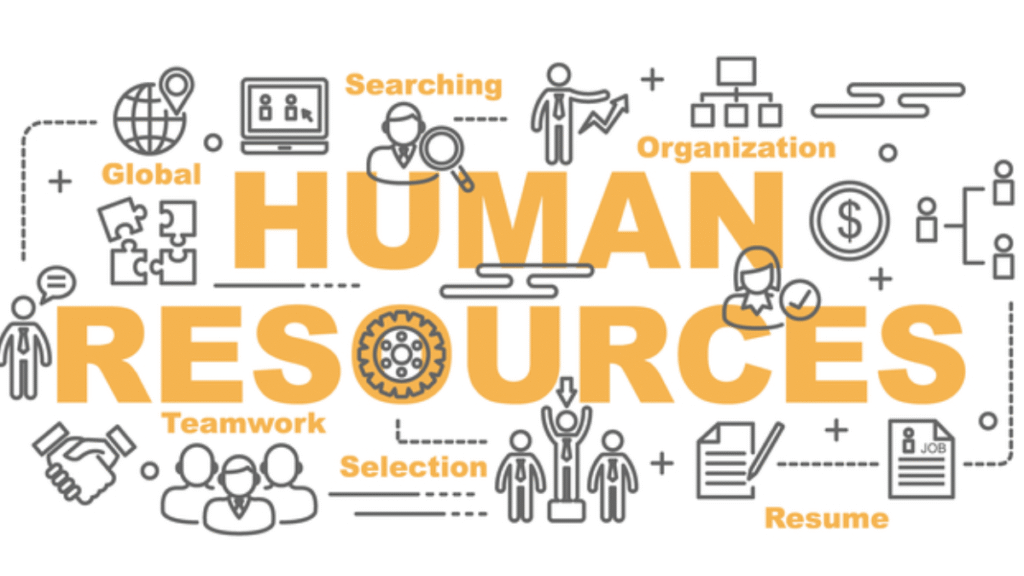

In today’s fast-paced business world, Human Resource (HR) management has evolved into one of the most influential and strategic roles within an organization. HR managers are no longer just responsible for hiring and paperwork—they are strategic partners who help shape company culture, develop talent, and drive organizational success. With rising competition, advanced HR technologies, and changing workforce expectations, building a strong career as an HR manager requires a mix of modern skills, strategic thinking, and continuous upskilling.
This complete guide explains how to build a successful career as a Human Resource Manager in today’s competitive market.
How to Build a Strong Career as a Human Resource Manager in Today’s Competitive Market
Understanding the Role of an HR Manager
An HR Manager oversees recruitment, employee relations, performance management, training, compliance, and workforce planning. Modern HR goes beyond administration—it involves leadership, technology adoption, data-driven decision-making, and employee experience.
1. Build a Strong Educational Foundation
To become a successful HR manager, start with the right education:
- Bachelor’s degree in HRM, Business Administration, Psychology, or related field
- MBA in Human Resource Management (highly preferred)
- Specialized diplomas or certifications in HR
Having strong academic qualifications sets a solid base for career growth.
2. Gain Practical Experience Early
HR is a hands-on profession. Internships, training programs, and entry-level HR roles help you understand:
- Recruitment processes
- HR documentation
- Employee onboarding
- Workplace conflict handling
- Payroll basics
- HR compliance and policies
Real-world experience accelerates your learning and improves your employability.
3. Master Modern HR Technologies
Modern HR managers rely heavily on technology. Learn tools such as:
- HRMS / HRIS software (Zoho People, Workday, SAP SuccessFactors)
- Applicant Tracking Systems (ATS)
- Payroll and attendance systems
- Performance management tools
- AI-based hiring and analytics platforms
Tech-savvy HR professionals are preferred in competitive job markets.
4. Develop Strong Communication and People Skills
HR managers act as a communication bridge between management and employees. Essential soft skills include:
- Listening and empathy
- Public speaking
- Negotiation
- Conflict resolution
- Presentation skills
- Emotional intelligence
Effective communication builds trust and strengthens company culture.
5. Learn Recruitment and Talent Acquisition Strategies
Recruiting the right talent is one of the most important responsibilities of an HR manager. Skills include:
- Writing effective job descriptions
- Understanding job roles and skills
- Screening candidates
- Conducting interviews
- Managing onboarding processes
- Employer branding
A strong HR manager must know how to hire top talent efficiently.
6. Understand Employment Laws and Compliance
Every HR professional must be aware of:
- Labour laws
- Workplace safety rules
- Employee rights and duties
- Payroll regulations
- Anti-discrimination policies
- Data privacy rules
Knowledge of compliance protects the company and ensures safe working environments.
7. Focus on Employee Engagement and Organizational Culture
Modern HR emphasizes employee experience. To build a strong HR career, learn to:
- Design engagement activities
- Conduct surveys
- Encourage team building
- Improve workplace environment
- Build strong internal communication
- Create wellness and mental health programs
A motivated workforce increases productivity and reduces turnover.
8. Develop Leadership and Strategic Thinking
HR managers must think beyond daily tasks. They should:
- Participate in decision-making
- Plan workforce strategies
- Lead HR projects
- Align HR initiatives with business goals
- Manage HR budgets
Strategic HR leaders are valued highly in competitive markets.
9. Strengthen Performance Management Skills
Performance management includes:
- Setting KPIs and goals
- Conducting performance reviews
- Identifying skill gaps
- Handling promotions and rewards
- Managing underperformance
A strong performance management system boosts overall organizational growth.
10. Learn Data-Driven HR Analytics
Modern HR relies on data to make decisions. Learn to use HR analytics tools to analyze:
- Employee turnover
- Recruitment efficiency
- Training ROI
- Productivity levels
- Salary benchmarks
- Workforce forecasting
Data-driven HR managers are in high demand globally.
11. Continuously Upgrade Yourself with Certifications
Popular HR certifications include:
- SHRM-CP / SHRM-SCP
- HRCI-PHR / SPHR
- Certified HR Analyst
- Diploma in Training & Development
- HR Data Analytics certification
Certifications boost your credibility and open global career opportunities.
12. Build a Strong Professional Network
Join HR communities, groups, and forums such as:
- LinkedIn HR groups
- SHRM communities
- HR events, workshops, and seminars
Networking helps you stay updated with industry trends and new job opportunities.
13. Stay Updated with HR Trends
Trends shaping HR in competitive markets include:
- AI-driven recruitment
- Remote & hybrid work policies
- Diversity, Equity & Inclusion (DEI)
- Employee wellness programs
- Flexible workplace culture
- Skills-based hiring
Staying updated ensures long-term career relevance.
Conclusion
Building a strong career as a Human Resource Manager in today’s competitive market requires a combination of education, practical experience, communication skills, technological knowledge, and continuous learning. HR professionals who embrace innovation, understand people dynamics, and align HR strategies with business goals will achieve exceptional success. With rising demand for skilled HR managers across industries, the opportunities for growth in this field are limitless.
FAQs
1. Is HR management a good career in 2025?
Yes, HR is one of the fastest-growing fields with high demand across all industries.
2. Do I need an MBA for an HR Manager role?
An MBA in HR is highly beneficial, but experience and certifications can also help.
3. What is the average salary of an HR Manager?
Salaries vary by country, but experienced HR managers earn competitive packages with strong benefits.
4. What are the most important HR skills?
Communication, recruitment, analytics, compliance, leadership, and people management.
5. Can HR be done remotely?
Yes, many HR tasks like recruitment, training, and documentation can be done remotely.